Hair Transplant Aftercare Guide for Visitors Who Fly Home - Sima Clinic

Hair transplant aftercare with the Istanbul team, from the first wash to month twelve

Request a Phone Call

Most people open this page twice. Once before the procedure, to know what the days after will ask of them, and once at three in the morning in their own time zone, to check that what the mirror shows is normal. It was written for both. You will find what each day of the first week looks like, when it is normal to fly home, how the day-ten wash is guided over WhatsApp wherever you are, why the hair sheds between the third and eighth week and why that is a good sign, and a map of all twelve months. The Istanbul team answers the WhatsApp number within an hour on working days.

Hair transplant aftercare, day by day

Your body knows how to finish what we started

Sima, the Aleppo clinic of Your Hair Center, Istanbul

Recovery is not a test. It is a phase your body leads, and our role is to walk it with you, from the first night in Aleppo to the twelfth month at home, so you know what is happening, why, and when to message us

  • 12-month follow-up
  • Daily WhatsApp check-ins in the first week
  • Written guidance
  • Free consultation

What happens in the first 24 hours


Day one, back at your hotel in Aleppo

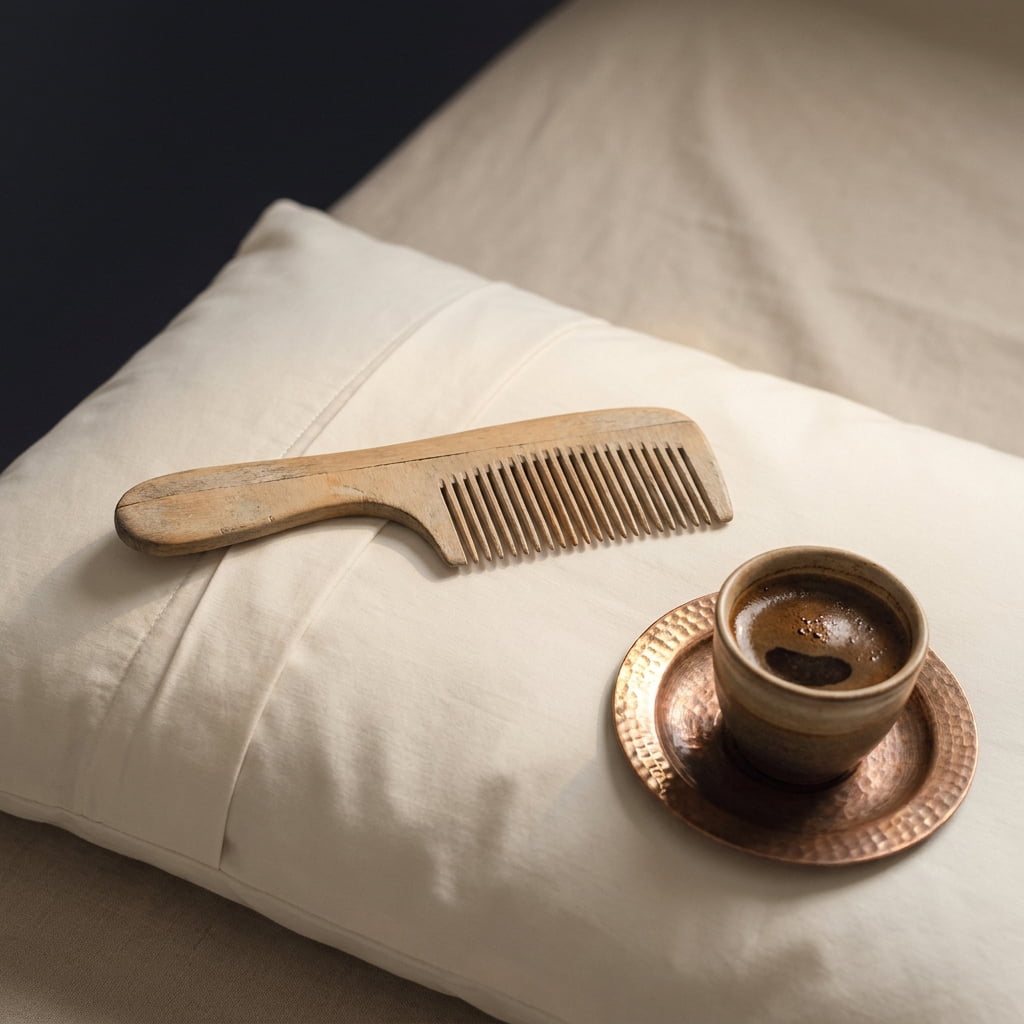
You will find the donor and recipient areas slightly red, with a feeling of tightness rather than pain. It is a normal part of hair transplant aftercare, and it starts to ease within 48 hours. The dressing stays on the donor area for your first night, and we ask you to sleep on your back with your head slightly raised. A WhatsApp message reaches you in the evening with the first-night instructions and a direct number for whenever you need it. Your English-speaking coordinator is on the same number. The first night asks nothing of you beyond rest, a light meal and a film you like. Hair transplant aftercare begins the moment you lie down.

The dressing, if one was placed, comes off at the clinic the next morning, and the first wash begins there

first-night-supine-recovery-cervical-pillow-walnut-bedside
The first week

Seven days, taken calmly

What happens each day, what is expected of you, and what is not, including the flight home

1

Back at the hotel

Complete rest, sleep on your back with your head raised, no washing and no water on the scalp

2

The first wash, at the clinic

We show you the movement, you repeat it in front of us, and we film a short clip you keep for every wash that follows

3

The mild swelling peaks

Around the forehead and upper face, normal and temporary, easing within two days

4

Noticeably calmer, and fit to fly

The swelling recedes and light desk work is fine. From today the flight home is normal, and most visitors leave on day four or five

5

The flight home, and the first scabs

Fine scabs form on the recipient area and are left alone. In the cabin, keep the transplanted area off the headrest, drink water, and stay out of direct sun between the car and the plane

6

The skin breathes

Sleep is back to normal wherever you are, and the tightness has almost gone

7

First follow-up, from home

A photo over WhatsApp in daylight. The team checks the healing and sends the self-wash guidance for week two, ahead of the day-ten wash

Daily habits

Hair transplant aftercare, what to do and what to avoid for now

Two short lists, the daily side of hair transplant aftercare, which we go through with you at the first wash and repeat in the daily WhatsApp messages. Not rules so much as company for your body while it does its work

What to do

What to do

  • Sleep with your head raised on two pillows for the first week, and never on your stomach
  • Drink plenty of water, and eat balanced meals with enough protein
  • A light walk from day three, fifteen minutes a day, in Aleppo or at home
  • Answer the daily WhatsApp check-in with a photo, in the same light each time
  • Leave the scabs alone. They fall by themselves
What to avoid for now

What to avoid for now

  • Moderate and intense exercise for two weeks
  • Direct sun on the scalp for four weeks, including the walk to the plane
  • Smoking and alcohol for at least two weeks
  • Swimming in pools and the sea for four weeks
  • Tight hats and pressing scarves in the first week, on the flight included

Prayer and wudu during recovery


For visitors who pray

In the first week, prostrate without pressing the forehead, or pray seated if that is difficult. In wudu, wiping the head lightly is enough, and dry ablution is an accepted alternative for the first three days if even a light wipe worries you. From the second week both return gradually, and after the day-ten wash the team confirms in writing, over WhatsApp, that you can pray and wash as usual. This guidance is general, gathered with scholars and the clinic’s doctors, so ask us about your own case.

Why the transplanted hair sheds, and what is really happening


Weeks three to eight

Somewhere between the third and eighth week, usually once you are back home, you notice short hairs falling from the transplanted area. The worry is natural. The phenomenon is more natural still, and it has a name, shock loss, or telogen effluvium. The old shaft sheds so that the transplanted follicle itself can enter a new growth cycle. The follicle has not gone. The visible shaft is what changed over. This phase lasts a few weeks, and new hairs begin to appear gradually in the third month. The rule we repeat on WhatsApp through these weeks is not to judge the result with a daily eye. Photograph the area once a week, in the same light, and send it to us. The picture changes under your hands without you noticing it.

  • Shedding is an expected and well-documented phase
  • The transplanted follicle stays. The old shaft is what falls
  • New growth begins in the third month
  • We follow it with you weekly through one photo, in the same light

If you notice sudden heavy shedding, redness or persistent pain, send us a photo over WhatsApp straight away, whatever the time zone. Do not wait for the monthly check-in

karim-window-aleppo-citadel-warm-morning

The recovery timeline from the first week to the twelfth month

Twelve months, and we walk them with you

A transplant is not one day but 12 months in which the hair takes shape gradually, and hair transplant aftercare runs the whole length of it. Monthly follow-up is included in the original price until the twelfth month, in the clinic while you are in Aleppo and over WhatsApp once you have flown home, with one photo in the same light each month. Your figure is confirmed in writing after the consultation, by graft count and donor area, and nothing is added for the follow-up.

M1 First follow-up
M2
M3 New growth begins
M4
M5
M6 Half the density
M7
M8
M9 Eighty per cent
M10
M11
Final result M12

Not everything you read online applies to you

A common worry, a calm answer

We gathered the two questions that come up most often in the weekly WhatsApp photos and put the answers here, for whoever is reading at three in the morning, in whichever time zone.

Myth Hair falling out after the procedure means it has failed

Many people link the shedding in week three to a failed transplant and rush to a verdict

Fact Shedding is a normal, expected phase called shock loss, or telogen effluvium

What falls is the visible shaft above the skin. The follicle itself stays settled beneath the surface and prepares a new hair, which usually begins to show in the third month

Myth An itchy scalp means an infection

The itch between day ten and the first month worries many people, who assume it needs strong treatment

Fact At this stage the itch is a sign of healthy healing, not of infection

The skin is renewing itself, and a tolerable itch is a sign of that. We give you a simple spray to calm it before you fly, and the rule is never to scratch with your nails. If the itch stays severe for more than three days, send us a photo

Questions we hear often, before and after the flight

When can I fly home?

Flying is normal from day four or five, once the first wash is done at the clinic and the swelling has settled. On the flight, keep the transplanted area off the headrest, use a loose neck pillow if it helps, drink water, and keep the scalp out of direct sun between the car and the plane. If anything about the flight worries you, message the team the evening before and the reply comes in writing. Most Western governments advise against travel to Syria; their advice is linked on the travel guide, with the journey in, the visa and the money.

What about the second wash on day ten, and everything after it?

The second wash falls on day ten, and most visitors are home by then. The team guides it over WhatsApp wherever you are, using the clip filmed at your first wash. After that, hair transplant aftercare is monthly, one photo in the same light and a written reply from a doctor, until the twelfth month. If you are Syrian and coming home, time the procedure with the visit; the team stays with you over WhatsApp after you fly back.

When can I go back to work?

Light desk work from day four, including from a laptop at the hotel or on the plane. Moderate physical work after the second week, and full physical work after the fourth. For work that puts your head in direct sun, we prefer that you wait until the eighth week.

When can I exercise?

A light walk from day three. Moderate exercise after the second week, and weights and swimming after the fourth. Heavy sweating in the first two weeks is postponed because the area has not yet settled.

What if my face swells around the forehead?

Mild swelling on days two and three is normal and expected. Cool compresses on the forehead, without pressing the transplanted area, and two pillows at night. It settles within 48 hours. If it persists, send us a photo over WhatsApp.

When can I use my usual shampoo?

We give you a gentle medical shampoo to use until the end of the second week, and enough of it to take home. After that you return gradually to your usual shampoo, starting with one free of heavy fragrance.

Can I wear a hat?

In the first week we prefer the head uncovered, so at the airport use shade rather than a hat. A loose cap that does not press is fine from day ten. After the third week, a hat in the sun is recommended to protect the scalp.

What if the itch is severe or the pain persists?

A moderate itch between day ten and the first month is normal and a sign of sound healing. We give you a simple spray to calm it, and the rule is not to scratch with your nails. If you have persistent pain, or an itch severe enough to stop you sleeping, send us a photo over WhatsApp straight away, whatever the hour where you are.

You are not alone in this

A doctor answers within an hour, on any working day

Send your photo or your question over WhatsApp. A doctor replies with a written assessment. No question is too small, and no hour is too late in your time zone

  • Reply within an hour
  • Monthly follow-up
  • No obligation
Sima Clinic - Chat with us on Whatsapp